Lisianthus: The Delicate Bloom with a Graceful Soul

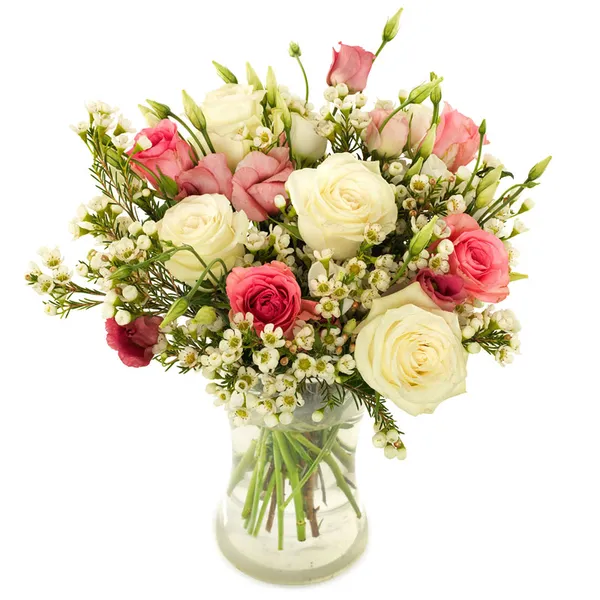
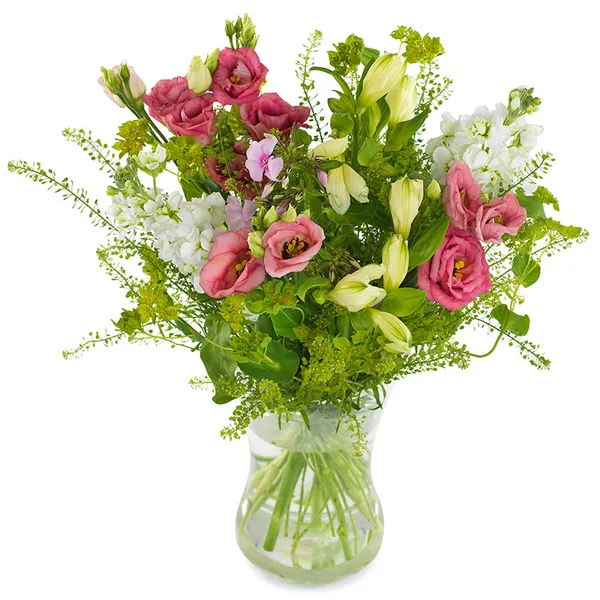
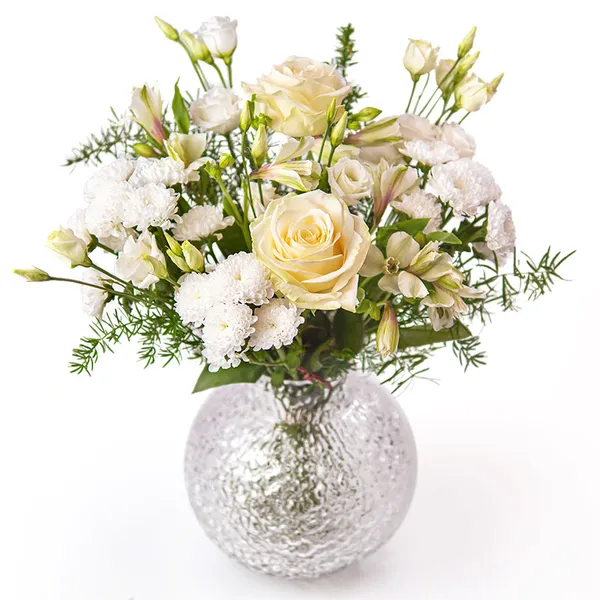
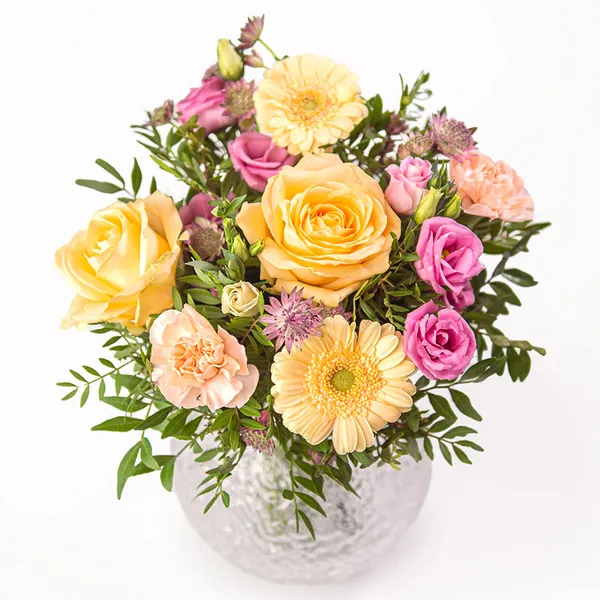
The Lisianthus, also known as Eustoma, is admired for its soft, rose-like petals, elegant silhouette, and wide range of pastel and vibrant colours. Despite its delicate appearance, it symbolises appreciation, charisma, and enduring beauty. Often found in wedding bouquets, romantic arrangements, and graceful centrepieces, Lisianthus adds a touch of refinement and softness. Native to the southern United States, Mexico, and the Caribbean, this bloom is a florist favourite thanks to its long vase life and gentle charm.


Lisianthus
Fact icon

COMMON NAME

Lisianthus

Fact icon

BOTANICAL NAME

Eustoma grandiflorum

Fact icon

ORIGIN

Southern USA, Mexico, Caribbean

Fact icon

PEOPLE ALSO CALL IT

Texas Bluebell, Prairie Gentian

Fact icon

FLOWERING TIME

Summer (June to September)

Fact icon

ASPECT

Full sun to partial shade

Fact icon

SYMBOLISM

Appreciation, elegance, charm, gratitude, romance

Care Tips for Cut Lisianthus in a Vase

Trim stems at an angle: Cut diagonally with a clean blade for better water uptake.

Remove leaves below water level: Helps avoid bacterial growth and keeps the water clean.

Use fresh water and flower food: Change water every two days and add floral preservative.

Avoid draught and heat: Place in a cool spot out of direct sun and far from fruit or heaters.

Support tall stems: Use a taller vase to support the flower’s elegant, often long stems.

Symbolism & Meaning

Lisianthus symbolises grace, appreciation, and romantic intention. It’s often given to express deep admiration or gentle love, making it perfect for weddings, thank-you bouquets, and gestures of quiet affection. In Victorian flower language, it represented an outgoing, charismatic personality—a flower for someone who’s beautiful both inside and out.

Types of Lisianthus

Lisianthus comes in single-flowered (with fewer, open petals) and double-flowered varieties (fuller and rose-like). Colours range from pure white to blush pink, lavender, deep purple, peach, and even bicolour combinations.
Popular cultivars include:

- ‘Echo’ series – early blooming with large, double blooms

- ‘Rosanne’ series – known for unique colours like antique rose and smoky lilac

- ‘Mariachi’ series – vigorous, full-petalled blooms perfect for cutting

Frequently Asked Questions About Lisianthus

Lisianthus seeds should be sown very early in the year, ideally between January and March, as they need a long growing period (up to 5-6 months before flowering). Use a heated propagator or warm, bright windowsill and sow them on the surface – they need light to germinate. Germination takes 10-15 days at 20-24 °C.

Lisianthus prefers a bright, sunny spot and needs well-draining soil. Keep the soil evenly moist, but avoid waterlogging. Feed with a liquid fertiliser every 2-3 weeks during the flowering season. Remove faded flowers to encourage more blooms. They don’t like cold temperatures, so keep them protected from drafts and chill.

Good news: Lisianthus is not toxic to cats. It’s considered non-toxic for pets, so you can enjoy them in arrangements or pots without worry. Still, it’s always best to discourage pets from chewing on any plants.

Author

David Denyer

Euroflorist's Flower Expert

With over 35 years of floristry experience, David Denyer is a renowned master in his field. His talent and artistic vision have earned him numerous accolades and awards, establishing him as one of the industry's leading figures. David has captivated audiences worldwide, showcasing his passion for floristry in Europe, China, Australia, and America. His captivating demonstrations have left a lasting impression on floral enthusiasts globally. In 2023, David made a memorable appearance on the prestigious television show, Gardeners World, further solidifying his reputation as an exceptional florist. David's journey to success began in 1996 when he was named Interflora "Florist of the Year." Since then, he has represented the United Kingdom in the "Europa Cup" and achieved consecutive Chelsea Gold Medals and Best in Show titles at the renowned Chelsea Flower Show from 2000 to 2003. In July 2004, David was once again named Interflora "Florist of the Year" and led his team to victory at the Interflora World Cup in Melbourne, Australia. He continued to impress with another Chelsea Gold Medal in 2005 and received a Gold Medal in 2011 for his floral installation titled "A Sense of Perspective." David's Accolades: July 1996: Interflora "Florist of the Year"; September 1999: Represented the UK in the "Europa Cup" in Austria; May 2000-2005: 6x Consecutive Chelsea Gold Medal and Best in Show - Professional Floristry; July 2004: Interflora "Florist of the Year"; September 2004: Interflora World Cup Winners in Melbourne, Australia; 2011: Chelsea Gold Medal for "A Sense of Perspective" floral installation; 2023: Appeared on Gardeners World in 2023; David's vast experience and expertise now benefits Eflorist customers. Understanding the emotional power of flowers, he ensures that every customer receives the utmost delight when enjoying their thoughtfully sent bouquet.