Astrantia: The Starry Charm of Cottage Gardens

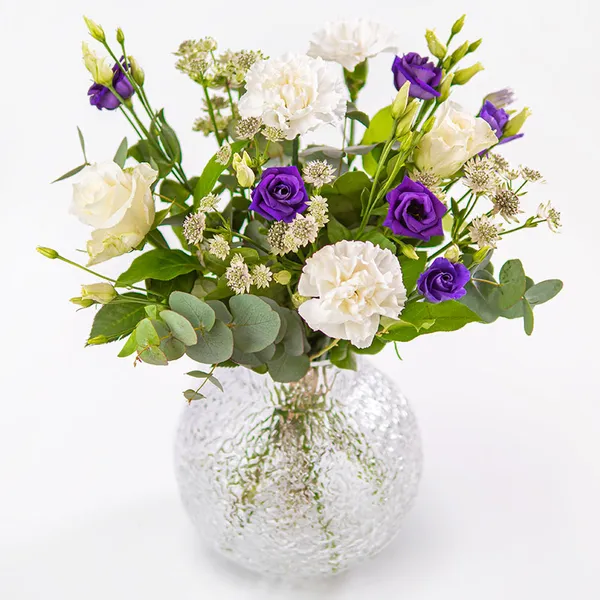
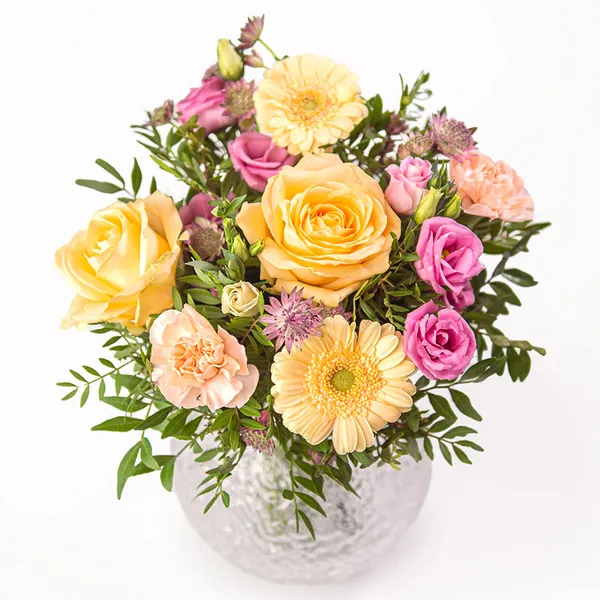
Astrantia, also known as Masterwort, is a delicate and intricate flower admired for its star-shaped blooms, finely textured petals, and romantic, vintage appeal. Often used in cottage gardens, wedding bouquets, and wildflower arrangements, Astrantia adds a natural, whimsical beauty and soft movement to any setting. Native to Central and Eastern Europe, it thrives in cooler, partially shaded environments. Symbolising strength, protection, and elegance, Astrantia is loved for its ethereal appearance and versatility—both fresh and dried.


Astrantia
Fact icon

COMMON NAME

Astrantia

Fact icon

BOTANICAL NAME

Astrantia spp.

Fact icon

ORIGIN

Central and Eastern Europe

Fact icon

PEOPLE ALSO CALL IT

Masterwort

Fact icon

FLOWERING TIME

Late spring to early autumn (May to September)

Fact icon

ASPECT

Partial shade, moist but well-drained soil

Fact icon

SYMBOLISM

Strength, protection, grace, elegance

Care Tips for Cut Astrantia in a Vase

Trim stems diagonally: Helps improve water absorption.

Use clean water and change regularly: Refresh water every two days and use floral preservative for longevity.

Remove submerged leaves: Prevents bacteria and cloudy water.

Combine with airier blooms: Astrantia complements roses, scabiosa, or ranunculus beautifully.

Dries well: Hang upside down in a dry, shaded spot for long-lasting dried flowers.

Symbolism & Meaning

Astrantia symbolises protection and inner strength, often seen as a guardian flower in folklore and healing gardens. Its gentle, graceful form also represents elegance, calm, and subtle charm. Because of its resilience and ability to thrive in quiet corners of the garden, it’s often associated with quiet confidence and enduring beauty, perfect for celebrating people with strength behind a soft appearance.

Types of Astrantia

There are several beautiful varieties of Astrantia, each with slightly different hues and patterns:

- Astrantia major ‘Roma’ – Pale pink flowers with a silvery shimmer; long flowering and popular in floristry.

- Astrantia major ‘Claret’ – Deep red-purple blooms with dramatic flair.

- Astrantia ‘Star of Beauty’ – Light purple-pink flowers with a compact growth habit.

- Astrantia ‘Shaggy’ – Pale greenish-white petals with a looser, more wildflower-like look.
Frequently Asked Questions About Astrantia

Astrantia is a hardy perennial that's quite easy to grow. It prefers moist, humus-rich soil and a partly shaded position. Keep the soil evenly moist, especially in dry periods, and mulch around the base in spring. Cut back faded flowers to encourage repeat blooming.

The best place for astrantia is a part-shaded spot in the garden – ideal under deciduous trees or alongside other shade-loving perennials. It also does well in damp borderswoodland-style beds, or cottage gardens. Avoid dry, sunny places.

You can plant astrantia in spring or autumn. Spring planting (March to May) gives the plant time to settle in before summer. Autumn planting (September to October) works well too, as long as the ground isn’t frozen and it’s still moist.

Author

David Denyer

Euroflorist's Flower Expert

With over 35 years of floristry experience, David Denyer is a renowned master in his field. His talent and artistic vision have earned him numerous accolades and awards, establishing him as one of the industry's leading figures. David has captivated audiences worldwide, showcasing his passion for floristry in Europe, China, Australia, and America. His captivating demonstrations have left a lasting impression on floral enthusiasts globally. In 2023, David made a memorable appearance on the prestigious television show, Gardeners World, further solidifying his reputation as an exceptional florist. David's journey to success began in 1996 when he was named Interflora "Florist of the Year." Since then, he has represented the United Kingdom in the "Europa Cup" and achieved consecutive Chelsea Gold Medals and Best in Show titles at the renowned Chelsea Flower Show from 2000 to 2003. In July 2004, David was once again named Interflora "Florist of the Year" and led his team to victory at the Interflora World Cup in Melbourne, Australia. He continued to impress with another Chelsea Gold Medal in 2005 and received a Gold Medal in 2011 for his floral installation titled "A Sense of Perspective." David's Accolades: July 1996: Interflora "Florist of the Year"; September 1999: Represented the UK in the "Europa Cup" in Austria; May 2000-2005: 6x Consecutive Chelsea Gold Medal and Best in Show - Professional Floristry; July 2004: Interflora "Florist of the Year"; September 2004: Interflora World Cup Winners in Melbourne, Australia; 2011: Chelsea Gold Medal for "A Sense of Perspective" floral installation; 2023: Appeared on Gardeners World in 2023; David's vast experience and expertise now benefits Eflorist customers. Understanding the emotional power of flowers, he ensures that every customer receives the utmost delight when enjoying their thoughtfully sent bouquet.